

Surface finishing has transformed from a labor intensive task to an engineering process that is precision-driven. Coating quality has a direct influence on durability, corrosion resistance and the perception of the product in the present manufacturing environment. In order to meet the demands of customers who demand flawless finishes and tightening global standards, many companies have opted to use paint robots.
A modern paint machine brings structured motion and programmable accuracy applications that used to rely on operator technique. Manufacturers can eliminate inconsistencies like uneven film formation or excessive usage of material by automating the spray path, speed, and the angles of application. This results in a coating process that is predictable and supports First Time Quality.
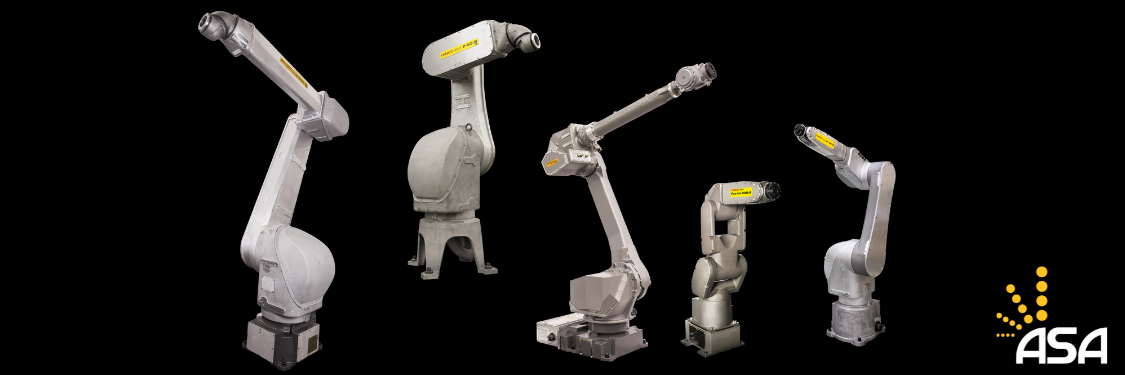
Image credit: automatedsolutions.com.au
Consistency, efficiency and tangible improvements
Because of fatigue or minor variations in technique, manual painting can lead to differences in coverage and thickness. Paint robots eliminate this variation because they follow the same motion pattern in every production process. This type of repeatability creates a uniform surface finish on all parts as well as optimised distribution of materials.
A robotic paint system could also improve transfer efficiency. The overspray of paint is diminished when the distance and direction between the applicator’s and component are maintained precisely. Lower material waste directly impacts costs, while reducing CO2 emissions from volatile organic compounds help green initiatives.
Integrated fluid handling within paint robotics ensures accurate mixing ratios for multi-component coatings. It eliminates any irregularities that could compromise the integrity of the finished. The combination of steady flow control and programmable parameters allows producers to fine-tune the atomisation parameters and spray patterns in real time, without interruption to production.
Productivity and safer working environments
A major benefit of choosing an automated painter is increased uptime. Robotic paint cells operate constantly and without interruption as opposed to manual processes. Once they have been programmed, the paint cells produce an even output, without breaks or continuous supervision.
In facilities handling solvent-based or two-component coatings, safety considerations are crucial. Paint atomized may create hazardous surroundings, particularly when working with materials that can be flammable or reactant. Modern paint robots are created to ensure safety even in the most difficult situations. They limit the exposure of personnel to hazardous substances, and enhance safety at work.
Conveyor tracking technology further strengthens efficiency by allowing for robotic painting of components while they are in motion. This allows for a larger working space and assists in keeping production lines operating efficiently.
Australian Automation Expertise Supporting Industry
For manufacturers seeking to modernise their finishing processes having access to a skilled automation partners is essential. In Australia, Automated Solutions has earned a reputation for the provision of high-end robotic integration services. As FANUC certified robotic integrators with extensive expertise in the field of automation engineering, the team can help businesses develop custom robotic paint solutions that meet their goals for operation.
Automated Solutions combines technical expertise and industry knowledge to help manufacturers evaluate the current process and developing robots that can paint cells that are optimised. Through combining collaborative planning simulations and integration of systems, companies can understand the anticipated performance improvement before installing.
Paint robotics goes beyond just an automation. It’s about improving safety, quality, and efficiency. The most well-designed paint robotic systems transform the surface finishing process from a costly, time-consuming and insecure operation to an automated, reliable process. The support of automation specialists can assist companies in increasing their competitiveness and guarantee the long-term development of a competitive market.