

Bank technology has made bookkeeping simpler, but those who work with financial records realize that it’s not ideal. The bank feeds are not functioning properly, and the historical transactions might be unavailable and clients may still send statements in PDF format. Someone has to convert the document intended to be read by a computer into data that accounting software actually utilizes.
Utilizing a bank statement converter can cut down on the time-consuming work. Docubrew automates the conversion of information from your bank statements into structured spreadsheet information.
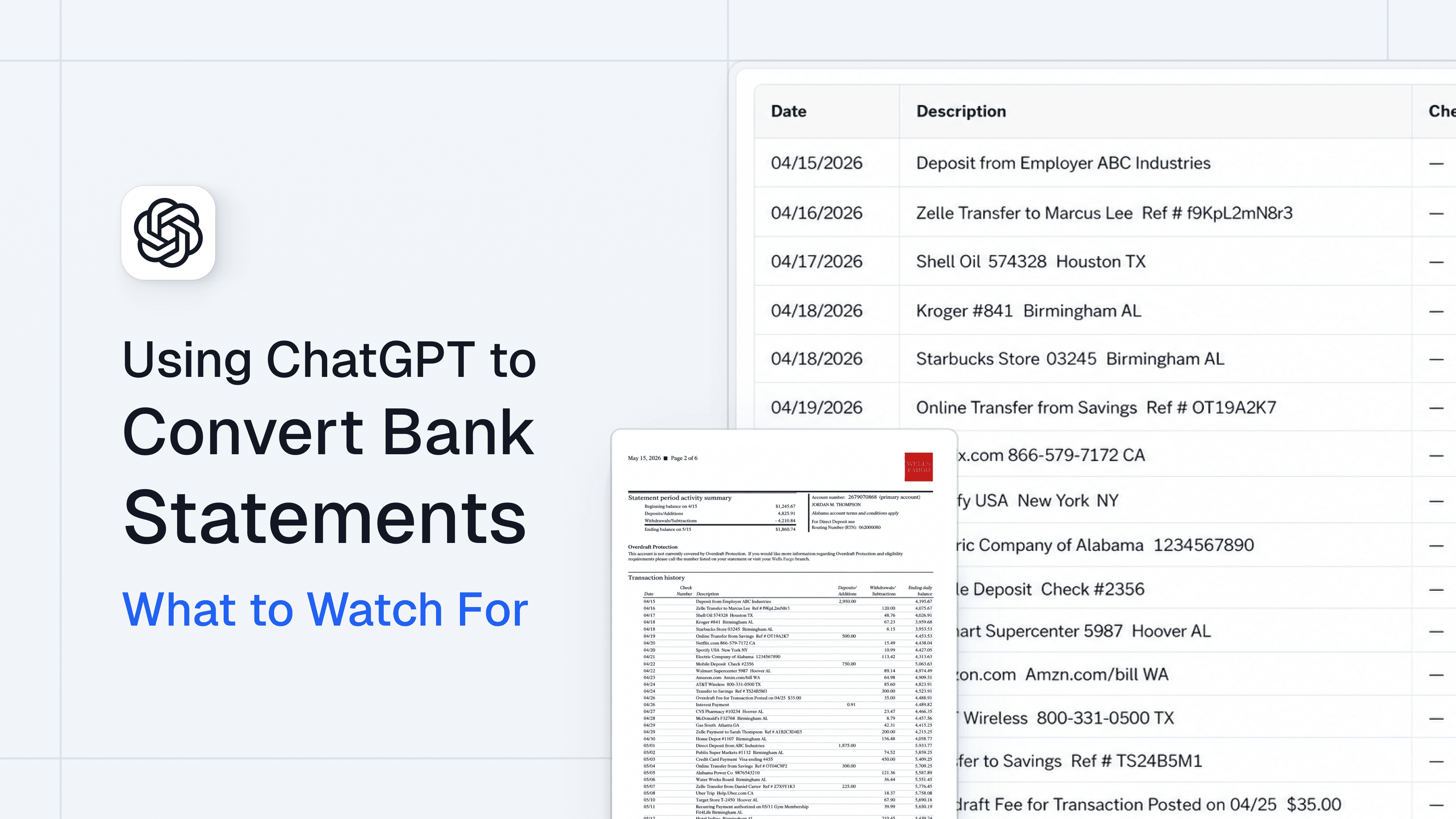
Image credit: docubrew.com
When a PDF becomes the missing component
Imagine a bookkeeper preparing an annual reconciliation for an individual client. The accounting platform displays the most recent transactions, however a few older months were left out. Fortunately clients have downloaded the original PDF reports.
The past was when re-creating those months would require several hours of copying numbers into a spreadsheet. A PDF bank statements to Excel workflow is a suitable alternative. Docubrew can extract information about transactions from digital PDFs as well as scanned bank statements on paper.
Professionals who frequently require moving a bank statement to Excel to be processed manually, eliminating manual transcription eliminates the chance of mistakes in typing.
Make sure you keep the pages that Actually Count
Statements from banks do not consist only of transactions. A 12-page report could include an account summary as well as disclosures and other notices, along with several pages describing the actual banking transactions.
Docubrew lets users view the document and choose the pages that are relevant before conversion. It is much easier to convert bank statements accounts to Excel since the non-related details of the statement are not included in your data set.
Once processed, the resulting file can then be opened in Excel or created for use using accounting software such as QuickBooks, Xero, and FreshBooks.
CSV Provides a Flexible Accounting Workflow
CSV is still useful since it is widely used by spreadsheets, databases, and accounting programs. Docubrew can convert bank statements into CSV by referring to the table of transactions.
The same workflow can help firms convert bank statement to CSV when reconstructing historical books, handling a new-client cleanup project, investigating missing transactions, or preparing data for reconciliation.
Batch processing is especially useful for accounting firms who are processing multiple statements or clients at the same time.
Financial Documents Deserve Thoughtful Privacy Controls
When processing financial records convenience is not the only consideration. Bookkeeping and accounting professionals might be concerned about the processing location because bank statements contain sensitive details about the client.
Docubrew comes with two ways to process data. Windows desktop application converts files locally, running on the user’s computer. Cloud encryption is available to those who prefer working in browsers. Uploads are deleted automatically within 24 hours.
This feature is what differentiates Excel software, which is based exclusively on remote processing, from the bank statement platform.
Turning Document Archives Back Into Working Data
Although PDF statements make excellent documents, they’re not ideal to use when transactions need to be sorted or reconciled. They can’t also be imported, filtered, re-organized, etc. Scanned files add a new complication since the information about transactions might only exist as an image.
Docubrew is a powerful application that uses OCR and statement parsing to convert document scans into usable financial information. This provides accountants bookkeepers and business owners the ability to turn archival financial paperwork into valuable transactional data.
The result is an improvement of a procedure that was previously arduous The bank statement is still used as the financial record that it was in the beginning, but its transaction table is now data you can work with.